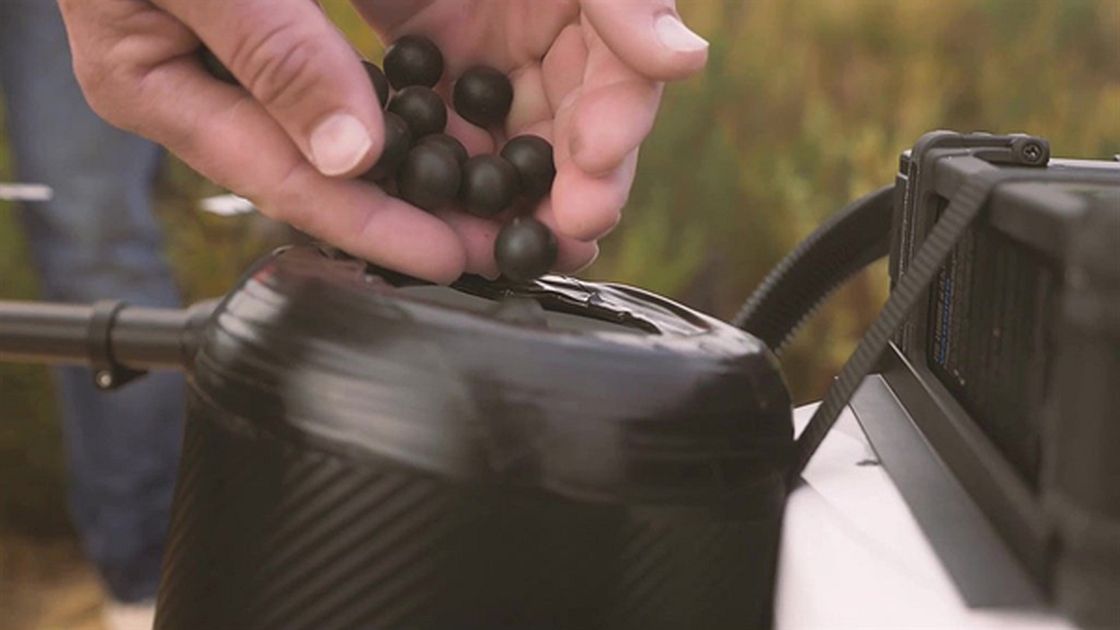
Seed pod biotechnology for precision aerial seeding combines advances in seed processing, encapsulation materials science, and UAV delivery systems to transform how forests are established across difficult or remote terrain. At its core, the approach involves engineering a protective biodegradable "pod" or pellet around individual seeds or small seed clusters: the pod incorporates a hydrogel matrix or cellulose-based shell that retains moisture around the germinating seed, may contain slow-release fertilisers, mycorrhizal fungi inoculants, pest deterrents, and pH-adjusting compounds tailored to specific site conditions, and is sized and weighted to be dispensed accurately from a drone-mounted seed delivery mechanism. The biotechnological component extends to seed priming — treating seeds with hormonal or chemical agents to accelerate dormancy break and synchronise germination — and in some research programmes to coating seeds with biochar or bioactive films that enhance soil-seed contact and microbial colonisation. Precision aerial delivery uses UAVs programmed with georeferenced planting grids derived from site survey data, depositing pods at defined spacing and density with centimetre-level GPS accuracy, avoiding rocky outcrops, drainage lines, or areas of competing vegetation identified in pre-mission mapping. This approach dramatically reduces the labour and time costs of hand-seeding or broadcast seeding while achieving far higher germination rates than unprotected broadcast seed by shielding seeds from desiccation, wind dispersal, and predation. In Australia, companies including AirSeed Technologies and Biocarbon Engineering (operating as Dendra Systems) have piloted scaled aerial seeding operations using similar pod and drone architectures across post-fire restoration sites in New South Wales and Western Australia, targeting native eucalypt and acacia species at rates of thousands of pods per flight hour.
| Field |
Value |
| Company |
AirSeed |
| Country |
Australia |
| Type |
Company |
| Employees |
~15 |
| FWPA RD&E |
4.4 |