¶ Review of research and techModellogy
| Authors | Aguiar et al. |
| Country | University of Porto / INSEC TechModellogy and Science, Portugal |
| Paper (PDF) | View paper |
| Category | Planning & Inventory › Remote sensing & mapping |
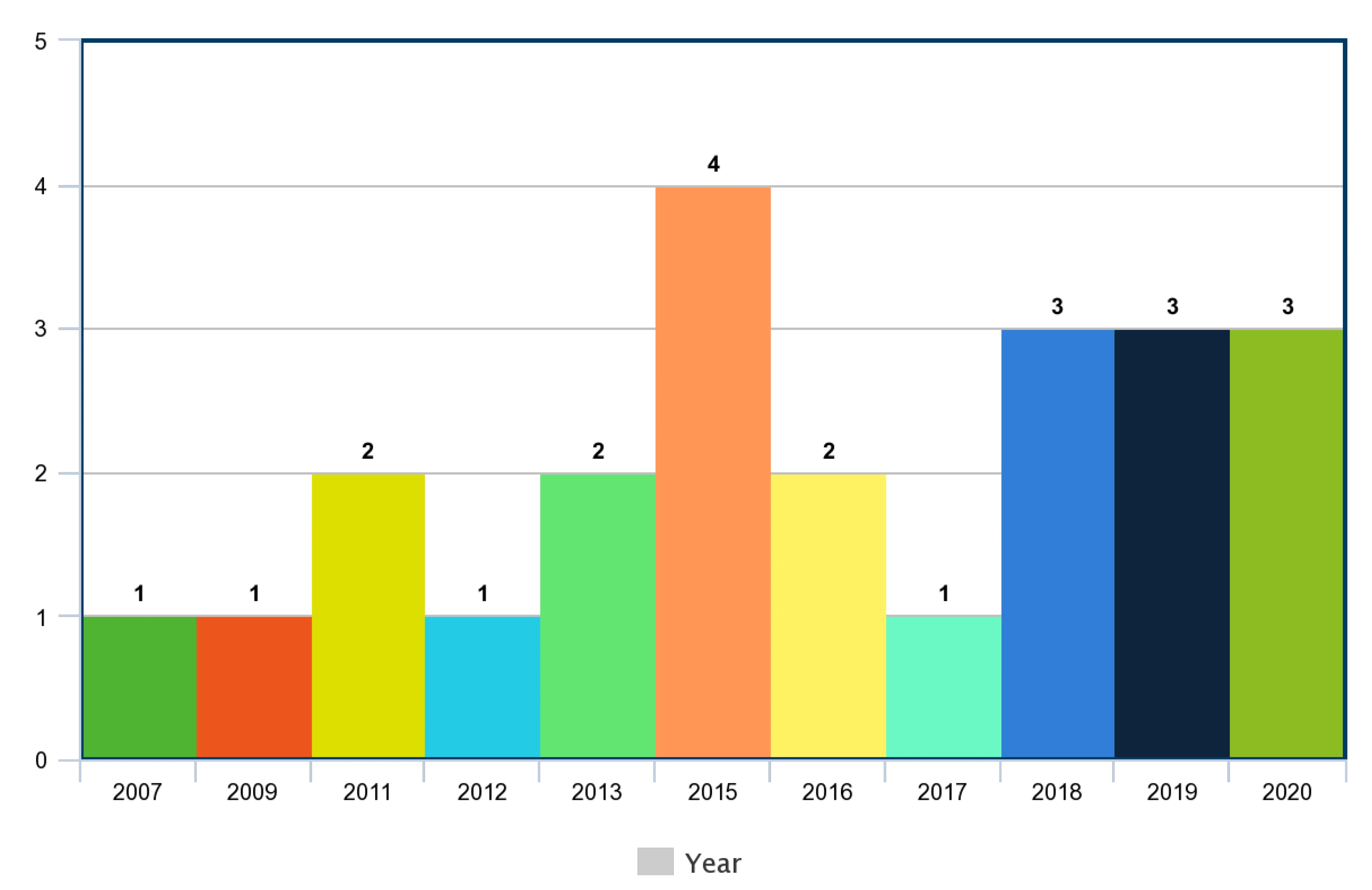
main goals: stem mapping, harvesting, transportation and biomass estimation
0
¶ Overview
Systematic reviews of research and technology in forestry automation serve to consolidate findings from dispersed academic literature, industry trials, and national research programs into coherent assessments of the state of knowledge, technology readiness levels (TRL), and deployment barriers for specific classes of technology. In the forest sector, such reviews typically cover a defined technology domain — for example precision silviculture, autonomous vehicles, remote sensing, or decision-support systems — and assess both the maturity of underlying scientific methods and the practical feasibility of operational uptake. Technology reviews in forestry commonly draw on bibliometric analysis of peer-reviewed literature alongside grey literature such as industry reports, government program evaluations, and equipment manufacturer technical documentation, recognising that a significant share of operational forestry knowledge is not published in academic journals. Reviews assess factors including cost-effectiveness relative to existing methods, compatibility with current operational workflows, skill and training requirements for adoption, regulatory constraints, and the scale of economic benefit required to justify capital investment. In an Australian context, Forest and Wood Products Australia (FWPA) has commissioned numerous technology reviews covering topics such as remote sensing for forest inventory, mechanised steep-terrain harvesting, and digital tools for silvicultural management, with findings disseminated through the FWPA research portal. Internationally, organisations including the International Union of Forest Research Organizations (IUFRO) and the Food and Agriculture Organization (FAO) publish thematic reviews that benchmark Australian practice against global developments. The outcome of well-conducted reviews is typically a prioritised research and development agenda that helps funding bodies, industry groups, and individual enterprises make informed decisions about where to invest in technology adoption or further research.
¶ Details
| Field | Value |
|---|---|
| Company | Aguiar et al. |
| Country | University of Porto / INSEC TechModellogy and Science, Portugal |
| Type | Paper |
| Year | 2020 |
| FWPA RD&E | 4.4 |