¶ Forestry Data Platform
| Company | Waldo Solutions Inc. |
| Country | USA |
| Website | https://www.waldologs.com/ |
| Category | Planning & Inventory › Remote sensing & mapping |
¶ Overview
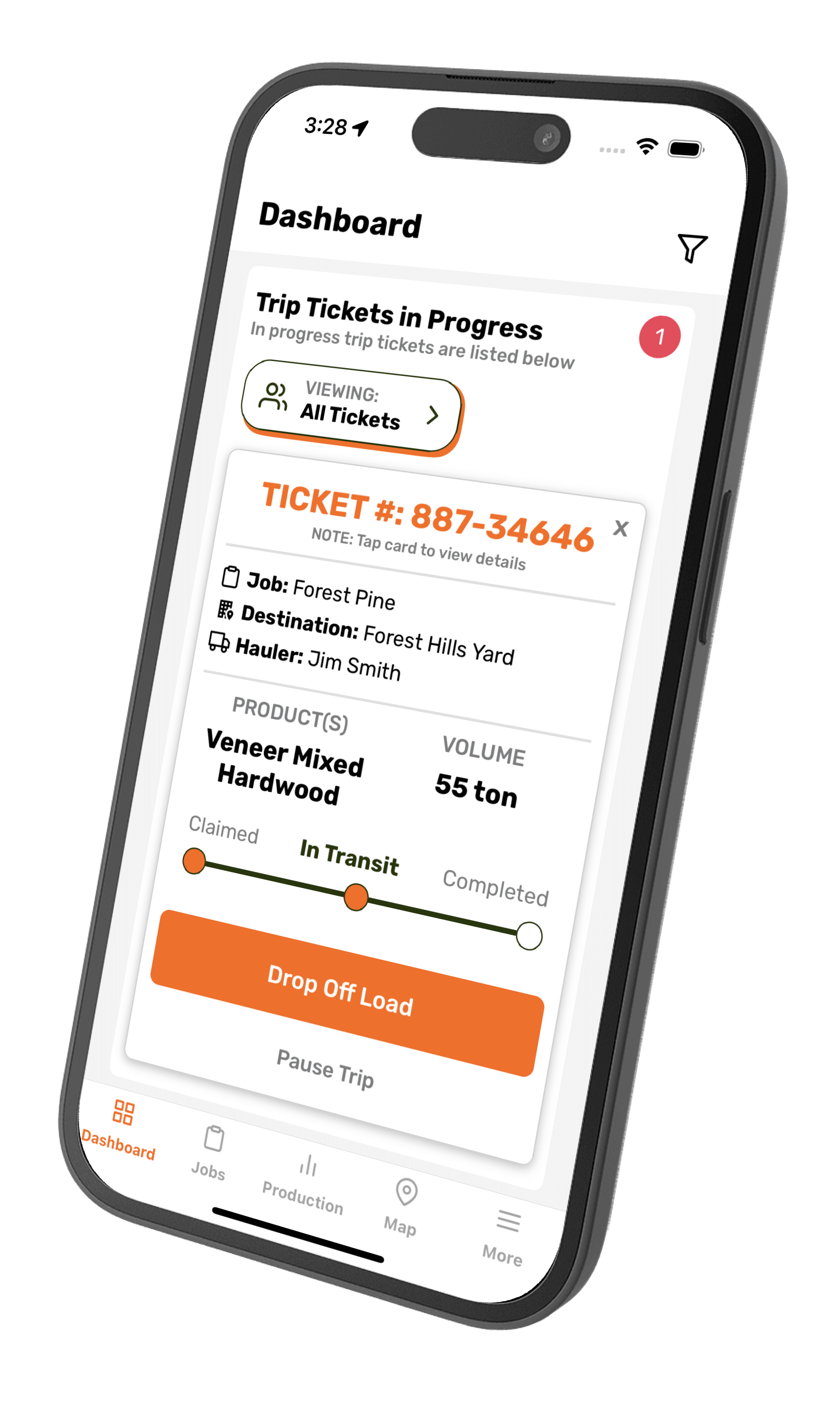
A Forestry Data Platform is an integrated digital infrastructure that aggregates, stores, processes, and disseminates the diverse streams of spatial, operational, and biological data generated across a forest estate and its supply chain, providing a single source of truth that supports decision-making from stand-level silviculture through to mill-gate delivery. These platforms typically combine a spatial data warehouse (holding LiDAR-derived terrain and canopy models, inventory layers, road networks, and environmental overlays) with operational databases (capturing machine telemetry, harvest volumes, weigh-bridge records, and maintenance logs) and analytical tools (growth simulators, optimisation engines, and reporting dashboards), all accessible through role-based web and mobile interfaces. Modern forestry data platforms are increasingly built on cloud-native architectures — leveraging services such as AWS, Azure, or Google Cloud — enabling real-time ingestion of IoT sensor data and machine CAN-bus streams, scalable geospatial processing, and secure multi-stakeholder data sharing across vertically integrated forest-to-mill supply chains.
In Australia, the development of centralised forestry data platforms has accelerated in response to regulatory requirements for comprehensive forest management records under the RFA framework, industry demand for end-to-end chain-of-custody traceability, and the operational efficiency gains achievable through integrating previously siloed datasets. Companies such as Interpine (operating across Australia and New Zealand), Indufor, and several state forestry corporations have invested in platform solutions that connect airborne LiDAR inventories, GPS-tracked harvester and forwarder data, road-condition assessments, and regeneration survey records into unified estate-management systems. The Forest and Wood Products Australia (FWPA) has supported research into interoperability standards and data-exchange protocols to reduce the fragmentation that currently limits cross-estate and cross-supply-chain analytics. Emerging capabilities include automated yield-variance reporting that compares LiDAR-predicted volumes against measured mill receipts in near-real-time, enabling rapid identification of measurement error, sampling bias, or theft — and AI-driven harvest scheduling that continuously re-optimises coupe sequencing as machine availability, weather forecasts, and market signals change.
¶ Assessment
Strengthens planning efficiency and lowers operational risk by improving information flow across forest operations.
¶ Details
| Field | Value |
|---|---|
| Company | Waldo Solutions Inc. |
| Country | USA |
| Type | Company |
| FWPA RD&E | 7.5 |